
Reviewed for medical accuracy by Dr. Srikanth Sola.
Last updated: June 9, 2026
How Ultra-Processed Foods Hijack Your Health
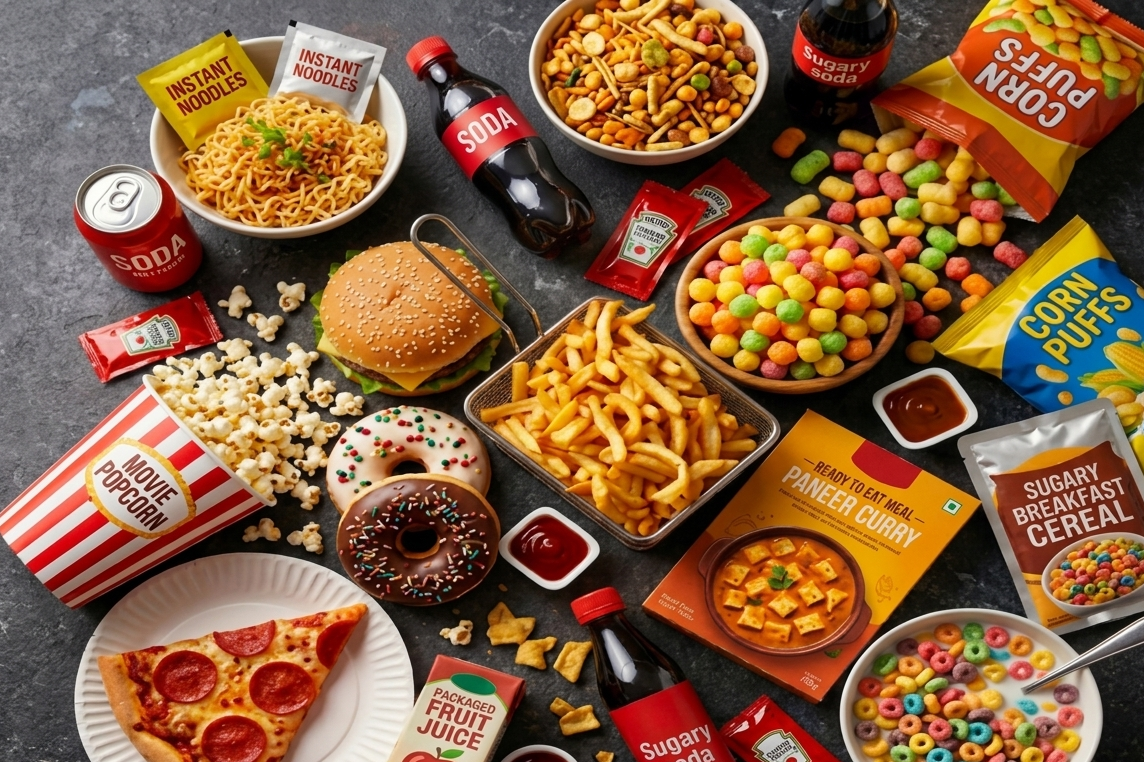
Ultra-processed foods (UPFs) are industrially manufactured food products made mostly from cheap, refined ingredients (like starches, oils, and sugars) combined with cosmetic additives. Numerous large, well-conducted studies have linked UPFs to harm in every major organ system of the human body, posing a huge threat to global health.
What are Ultra-Processed Foods?
In medical terms, ultra-processed foods are defined by the Nova classification system as the most processed group of food products. Unlike minimally processed foods, UPFs are industrial formulations typically made from cheap commodities—such as maize, wheat, soy, and palm oil—that have been broken down into substances like oils, fats, sugars, and proteins.
They are identified by the presence of sensory-related additives that you wouldn’t find in a domestic kitchen, such as:
- Emulsifiers and thickeners to alter texture.
- Flavor enhancers and non-sugar sweeteners to enhance taste.
- Colourants to improve appearance.
The Science of Harm
Research recently published in The Lancet confirms that the rise of UPFs is damaging public health and fuelling chronic diseases worldwide. The core issue is not just the high levels of fat, salt, and sugar, but the overall dietary pattern where UPFs displace nutrient-rich, whole foods.
Key health impacts identified include:
- Chronic Disease Risk: High UPF intake is directly associated with an increased risk of obesity, diabetes, high blood pressure, and cardiovascular disease.
- Mortality: A large meta-analysis of 207,000 people found a "linear dose-response" where each 10% increase in UPF consumption in daily calorie intake was associated with a 15% higher risk of death from any cause.
- Organ Damage: Studies suggest these foods are linked to harm in every major human organ.
- The "Cocktail Effect": The interaction between multiple harmful industrial additives is a primary driver of these adverse effects.
Why are UPFs So Prevalent Today?
These foods dominate modern diets because they are engineered to be hyperpalatable, driving repeated and excess consumption. They are produced at a massive scale by a small number of transnational corporations, making them cheap, convenient, and ubiquitous. While they already comprise about 50% of the diet in high-income countries, their consumption is rising rapidly in middle-income nations like India.
Why Public Health Efforts Are Stymied
Despite the clear health risks, initiatives to protect consumers are frequently blocked or diluted by corporate lobbying:
- Labeling Hurdles: In the UK, lobbying by major food firms led to the removal of the term "minimally processed" from government health guidance, replacing it with the vague term "healthier options"—a definition that some ultra-processed pizzas and energy drinks can still technically meet.
- Advertising Delays: Bans on junk food adverts targeting children have been repeatedly delayed due to industry pressure, allowing companies to continue bombarding children with unhealthy options.
- Policy Interference: Corporations often use their political power to combat mandatory regulations, such as front-of-pack warning labels and higher taxes on UPFs.
What You Can Do to Minimize Exposure
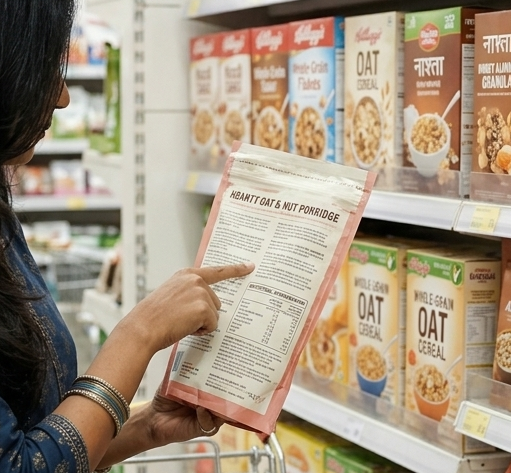
To take control of your heart health and support your weight loss goals, focus on these practical shifts:
- Prioritize "Minimally Processed": Revolve your diet around whole grains, fruit, vegetables. The fewer ingredients on the package, generally the better.
- Check the Label for Markers: Look for ultra-processed markers like non-sugar sweeteners, artificial flavours, preservatives, coloring, and emulsifiers.
- Avoid "Hyperpalatable" Triggers: Be wary of reconstituted meats, sugary drinks, and pre-packaged snacks such as chips that are designed for overconsumption.
- Support Local Producers: Whenever possible, choose locally sourced, affordable whole foods over mass-produced industrial products.
Summary
Ultra-processed foods are industrial products engineered for overconsumption and linked to serious heart disease and obesity. Despite clear scientific evidence, efforts to ensure clear labeling and advertising restrictions are blocked. To safeguard your nutrition, focus on replacing these engineered products with minimally processed, whole foods.
References
- De-Regil, L. M., Montez, J., Mahy, L., et al. (2025). Global action on ultra-processed foods: a health, equity, and sustainability imperative. The Lancet, Published online November 18, 2025. doi:10.1016/S0140-6736(25)02326-8
- Lane, M. M., Gamage, E., Du, S., et al. (2024). Ultra-processed food exposure and adverse health outcomes: umbrella review of epidemiological meta-analyses. BMJ, 384, e077310. doi:10.1136/bmj-2023-077310
- Monteiro, C. A., Louzada, M. L. C., Steele-Martinez, E., et al. (2025). Ultra-processed foods and human health: the main thesis and the evidence. The Lancet, 406(10515), 2667–2684. doi:10.1016/S0140-6736(25)01565-X
- Nilson, E. A. F., Delpino, F. M., Batis, C., et al. (2025). Premature mortality attributable to ultraprocessed food consumption in 8 countries. American Journal of Preventive Medicine, 68(5), 1091–1099. doi:10.1016/j.amepre.2024.10.009