
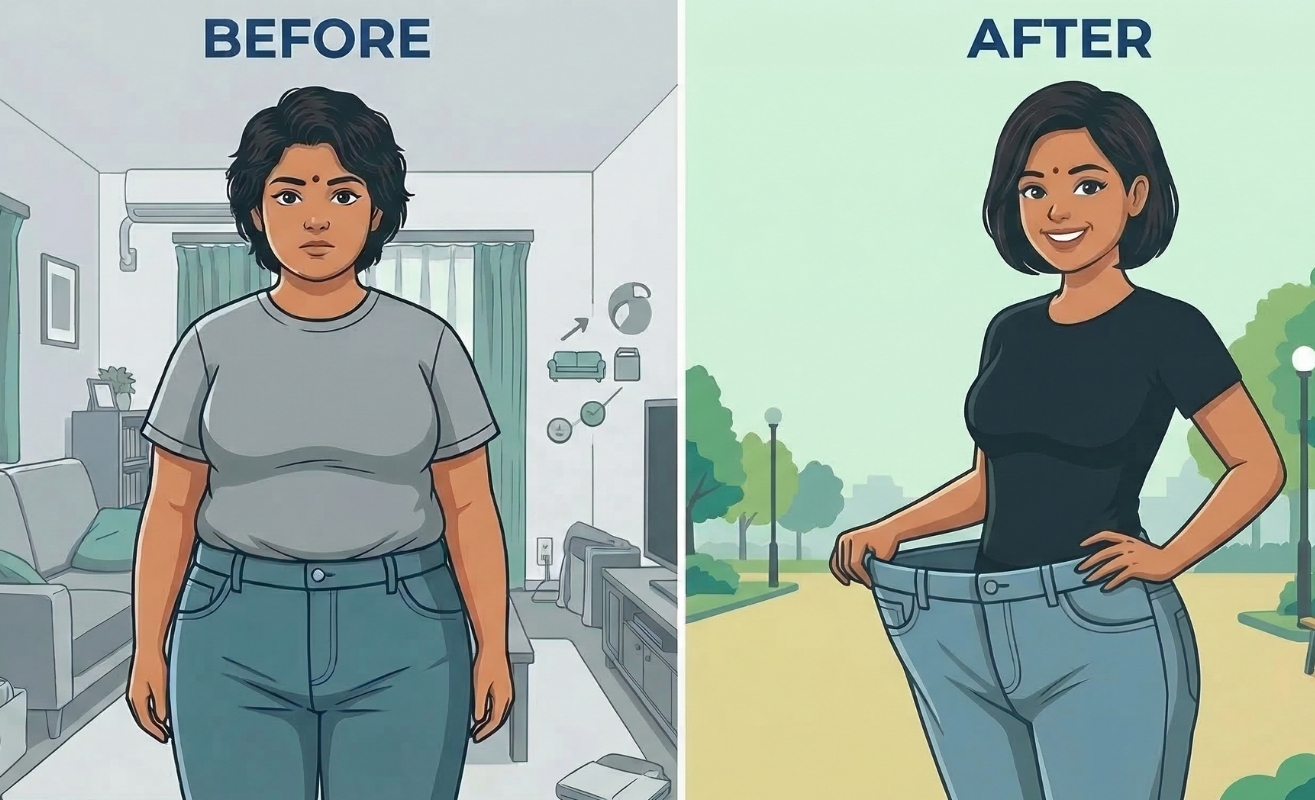
GLP-1 drugs like Mounjaro and Ozempic/Wegovy are science-backed medicines that can help manage overweight and obesity. This guide explains how these medications work and how to use them successfully for weight loss.
How GLP-1 Medications Work
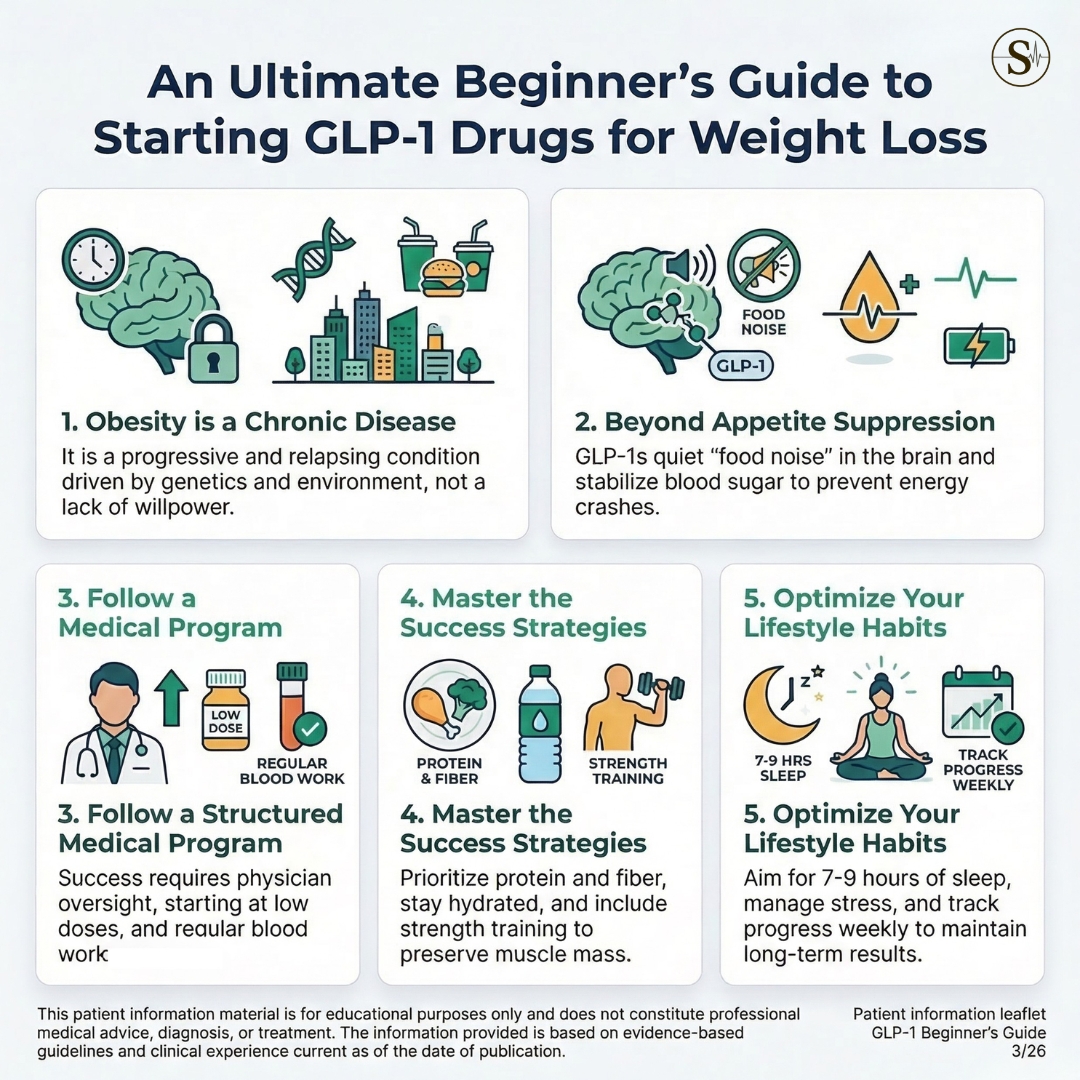
Social media often portrays GLP-1 medicines as mere appetite suppressants, but they do much more. They actually alter the brain pathways that control hunger, pleasure, and how food acts as a reward. This effectively quiets “food noise”—the persistent, sometimes obsessive thoughts about what you are going to eat. Furthermore, by regulating blood sugar, they prevent the insulin crashes and spikes that make it difficult for the body to shed excess weight.
Understanding Obesity as a Disease
WHO guidelines emphasize that obesity is a chronic, progressive, and relapsing disease. It is not a failure of diet, willpower, or exercise. In fact, recent research suggests strong genetic and environmental components to obesity. South Asians, unfortunately, have a strong genetic disposition to abdominal obesity and its cousins — diabetes, high blood pressure, high cholesterol, and coronary artery disease.
Obesity is chronic. That means it usually lasts for decades, and sometimes an entire lifetime.
Obesity is progressive. That means weight increases gradually (as it does naturally for everyone over the age of 30).
Obesity is relapsing. This is something everyone can all relate to. You lose some weight, but then a stressful life event occurs (“Life happens!”) and the weight piles back on with a vengeance.
Follow a Structured Program
GLP-1 medicines are prescription drugs. They are not supplements like protein powder.
To ensure your safety, you must obtain your medication through a legitimate and experienced physician with experience in obesity management. Expect a thorough review of your medical and family history plus basic screening blood tests before you start. Once you start treatment, make sure you understand when you are expected to follow up (usually every few weeks in the initial phases, then every month to few months as treatment progresses). Follow up visits should include regular checks of your weight, waist to hip circumference, assessment for side effects, and periodic blood tests, particularly to check for nutritional deficiencies such as Vitamin D3, which are common in any weight loss program.
Make sure the physician offers more than just a prescription. You need a well-thought-out plan that keeps you on track and accountable for your weight loss over the long term.
What to Expect in the First Few Weeks
Sensationalized media headlines often exaggerate the risks, but starting on these medications is quite manageable when overseen by an experienced physician. You will take these medicines as a subcutaneous injection (like insulin) once a week and begin on the lowest possible dose. Your doctor will slowly increase the dose every four weeks.
Weight loss timelines vary; some patients lose weight in their very first month, while others may not see the scale move until they reach a higher dose. Don’t waste time comparing yourself to others on these drugs. You will experience a few mild side effects at first, such as mild nausea, a reduced desire to eat, constipation, fatigue, or headaches.
Proven Strategies for Success
These medications are life-changing, but they are not magic. Long-term success with weight loss requires a structured plan, effort, and healthy lifestyle changes. Follow these recommendations:
- Focus on Protein and Fiber: A common pitfall is focusing so heavily on protein that you neglect fiber, which is what leads to constipation. Aim for balanced, smaller meals. If nausea is strong, stick to blander foods and avoid high-fat or greasy options initially.
- Stay Hydrated: Drink plenty of water throughout the day to support digestion and mitigate side effects.
- Do Not Skip Meals: Skipping meals can actually make you feel more tired and worsen nausea. No intermittent fasting while on GLP-1s. You need regular nutrition to stay healthy and lose weight effectively.
- Do Strength Training plus Cardio: When you lose weight quickly, you are at risk of losing muscle mass. Engage in strength training two to three days a week to help preserve your lean muscle. Cardio workouts will accentuate the weight loss. Aim for a total of 150 minutes of exercise per week.
- Manage Stress: What happens to your weight when your life stress goes up? Prepare a written plan on how you will better manage your stress — and stick to it. My patients who successfully manage their stress are the ones who keep the weight off long term.
- Adequate Sleep: What happens to your weight when you sleep less than 6 hours per night? Turn off your screen, and aim for 7–9 hours of sleep per night.
- Address Body Image: Many people on GLP-1s continue a pattern of unhealthy self-criticism and self-shaming even after losing considerable weight. Address this with your physician or counselor to learn how to accept and love yourself as you are.
- Track Consistently: Weigh yourself once or twice a week, ideally first thing in the morning after going to the bathroom, without clothes, using the same scale, to accurately track your progress. Menstruating women should check their weight after their periods are over. Do a little dance when you lose weight.
Summary
GLP-1 medications are a powerful, scientifically backed tool for managing overweight and obesity. They reduce inflammation and improve overall cardiovascular health. By pairing the medication with a healthy diet, exercise, stress management, and adequate sleep, you can manage side effects and achieve lasting, transformative weight loss.
Reviewed for medical accuracy by Dr. Srikanth Sola. Last updated: April 7, 2026
References for detailed reading
- Wilding, J. P. H., et al. (2021). “Once-Weekly Semaglutide in Adults with Overweight or Obesity.” The New England Journal of Medicine, 384, 989–1002.
- Lincoff, A. M., et al. (2023). “Semaglutide and Cardiovascular Outcomes in Obesity without Diabetes.” The New England Journal of Medicine, 389, 2221–2232.
- Jastreboff, A. M., et al. (2022). “Tirzepatide Once Weekly for the Treatment of Obesity.” The New England Journal of Medicine, 387, 205–216.