
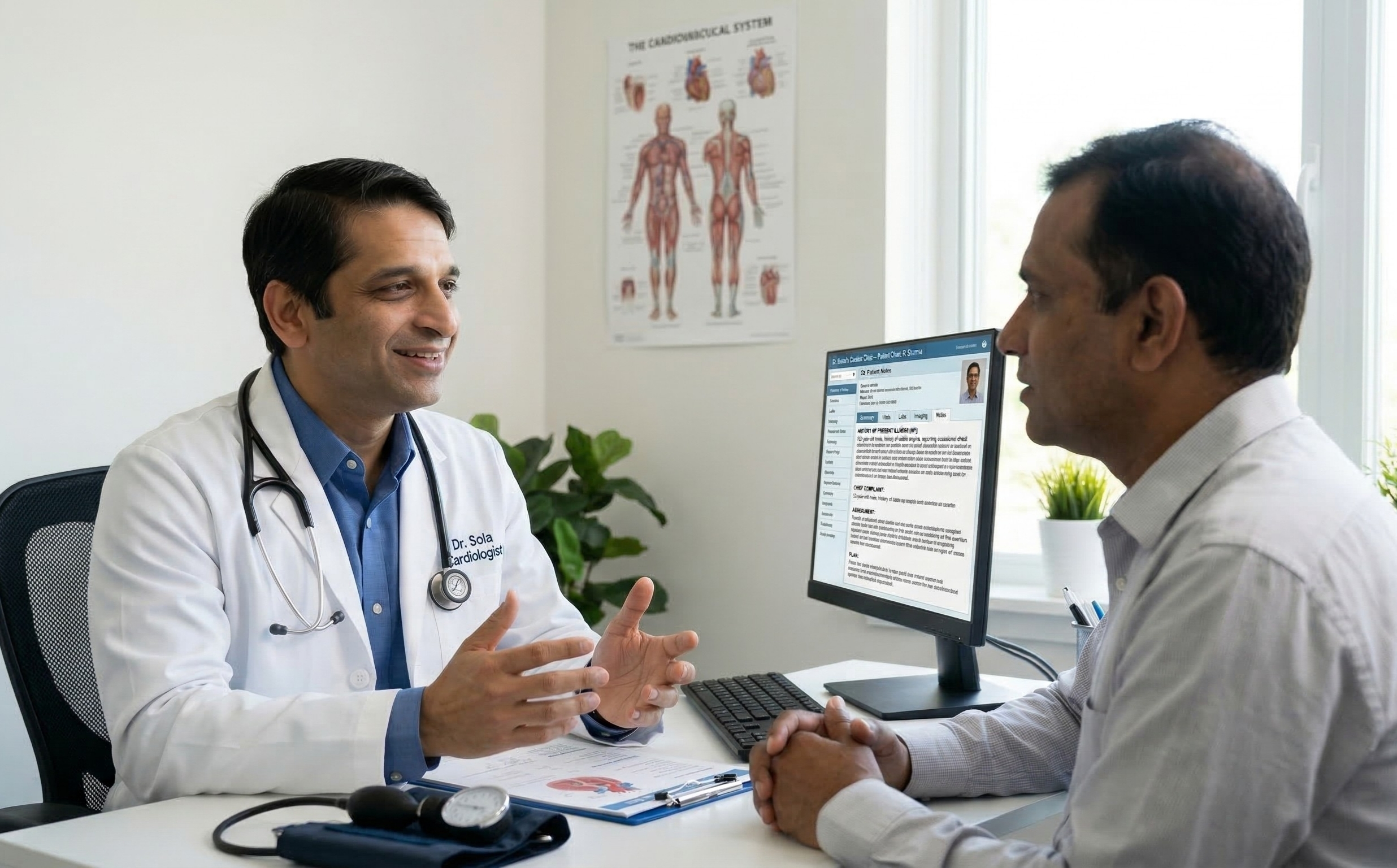
A frequent concern from patients starting a GLP-1 medication is unexpected diarrhea. The good news? This issue is highly manageable and usually temporary. By making targeted dietary adjustments—especially around your injection day—you can achieve rapid relief.
Pulling back on fatty foods, swapping insoluble fiber for soluble fiber, slowing your eating pace, and avoiding artificial sweeteners can restore digestive balance in as little as 24 hours. Let's explore exactly how to resolve this below.
Rewind: How do GLP-1’s work?
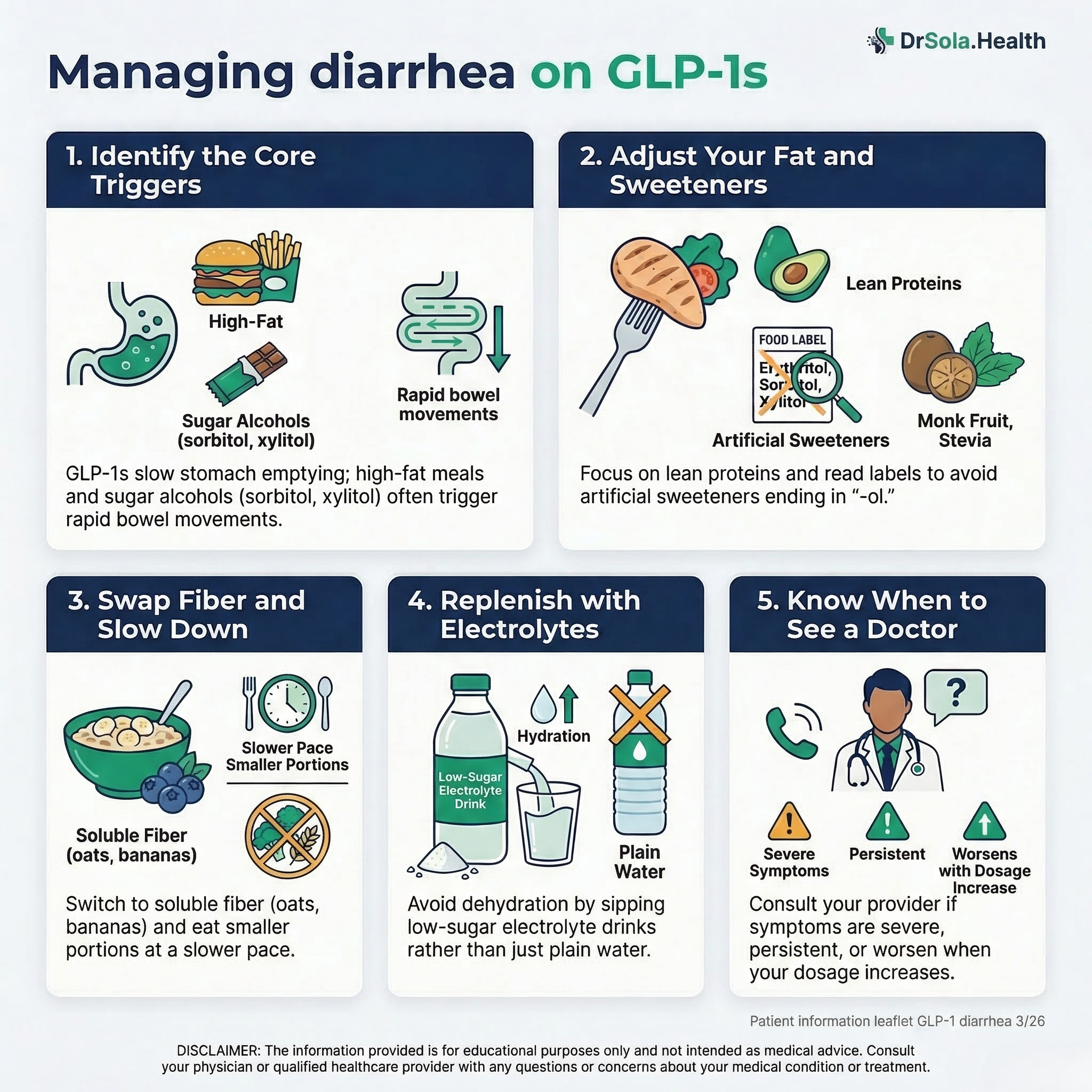
They make you feel fuller after meals and slow stomach emptying. This means they fundamentally alter how food moves through your digestive system, occasionally triggering unpredictable bowel movements. In most cases, the medication itself isn't the direct trigger; rather, diarrhea results from dietary habits like consuming high-fat meals, eating too quickly, or ingesting sugar alcohols.
Reduce Your Fat Intake
Fat is one of the biggest diarrhea triggers for patients on these medications. Because the medication already slows down digestion, layering on high-fat meals—such as fried foods, heavy sauces, or fatty meats—can easily overwhelm your digestive system, causing it to push everything out rapidly.
The Fix
Opt for lean proteins like chicken, fish, tofu, or tempeh, and use smaller amounts of cooking oil. You do not have to eat a strict low-fat diet forever, but being mindful of fat intake is crucial on the days immediately surrounding your injection, or when you are increasing your dose.
Check for Sugar Alcohols
Many "healthy" snacks and diet drinks contain sugar alcohols, which are notorious for causing diarrhea even in people not taking weight loss medications. When your appetite is low, you might lean on protein bars, sugar-free gummies, or shakes, not realizing they are loaded with these artificial sweeteners.
The Fix
Read your nutrition labels. Look for ingredients ending in "-ol" (such as sorbitol, erythritol, or xylitol) and avoid them if you are experiencing an upset stomach.
Switch to Soluble Fiber
When dealing with gastrointestinal symptoms, most people know they need fiber, but the type of fiber matters immensely. Insoluble fiber helps relieve constipation, but if you have diarrhea, it will likely make things worse.
The Fix
Temporarily reduce your intake of insoluble fiber, which is found in raw vegetables, bran, raw grains, and fruit skins. Instead, focus on soluble fiber, which actually helps slow down stools. Excellent sources include oats, bananas, applesauce, and psyllium husk (essentially, the "inside" of fruits and vegetables). Making this swap is often one of the fastest ways to see improvement, sometimes within a single day.
Slow Down and Watch Your Portions
These medications are excellent at reducing hunger cues, but they do not physically stop you from eating too quickly. Consuming a large volume of food at a rapid speed can easily overwhelm your digestive tract.
The Fix
If diarrhea hits right after meals, it is often due to volume and speed rather than the food itself. Put your fork down between bites, consciously slow your eating pace, serve yourself smaller portions, and stop eating before you feel overly full.
Prioritize Hydration and Electrolytes
Frequent diarrhea increases the loss of vital fluids and electrolytes, particularly sodium and potassium. This depletion can rapidly lead to dehydration and severely worsen side effects like fatigue, dizziness, and nausea.
The Fix
Do not rely on plain water alone. Sip on a low-sugar electrolyte supplement throughout the day to replenish what your body is losing.
When to Consult Your Doctor
If your diarrhea is persistent, severe, or worsens when your medication dose is increased, it is time to have a conversation with your healthcare provider. We may need to slow down your titration schedule, adjust the timing of your medication, or prescribe anti-diarrheal medication to help you through the transition. Please do not cut out entire food groups blindly (like carbs) or take random supplements, as this can lead to nutritional deficiencies.
Summary
Experiencing diarrhea on this medication is common but highly treatable. It is usually related to lifestyle factors like high fat intake, sugar alcohols, consuming the wrong type of fiber, and eating too quickly. By managing your diet—especially around your injection days—and staying hydrated with electrolytes, you can minimize discomfort and continue successfully on your medical weight loss journey.
Reviewed for medical accuracy by Dr. Srikanth Sola. Last updated: March 18, 2026
References for detailed reading
- Gorgojo-Martínez, J. J., et al. (2023). “Clinical Recommendations to Manage Gastrointestinal Adverse Events in Patients Treated with Glp-1 Receptor Agonists: A Multidisciplinary Expert Consensus.” Journal of Clinical Medicine, 12(1), 145.
- Filippatos, T. D., Panagiotopoulou, T. V., & Elisaf, M. S. (2014). “Adverse effects of GLP-1 receptor agonists.” The Review of Diabetic Studies, 11(3), 202–230.
- Collins L, Costello RA. (2023). “Glucagon-Like Peptide-1 Receptor Agonists.” StatPearls [Internet]. Treasure Island (FL): StatPearls Publishing.